

Regulatory compliance

Marine & offshore environments operate in highly demanding and isolated conditions, where space, weight, and environmental constraints strongly influence system design.
These installations are exposed to harsh weather conditions, corrosion risks, and continuous operational stress, requiring the highest levels of reliability and safety. To ensure safe and uninterrupted operation in these critical environments, G.M. International provides certified safety and interface devices based on internationally recognized technologies.
The company supports a wide range of offshore and marine applications, including emergency shutdown systems, fire and gas detection, process automation, machinery control, and safety-critical monitoring systems.
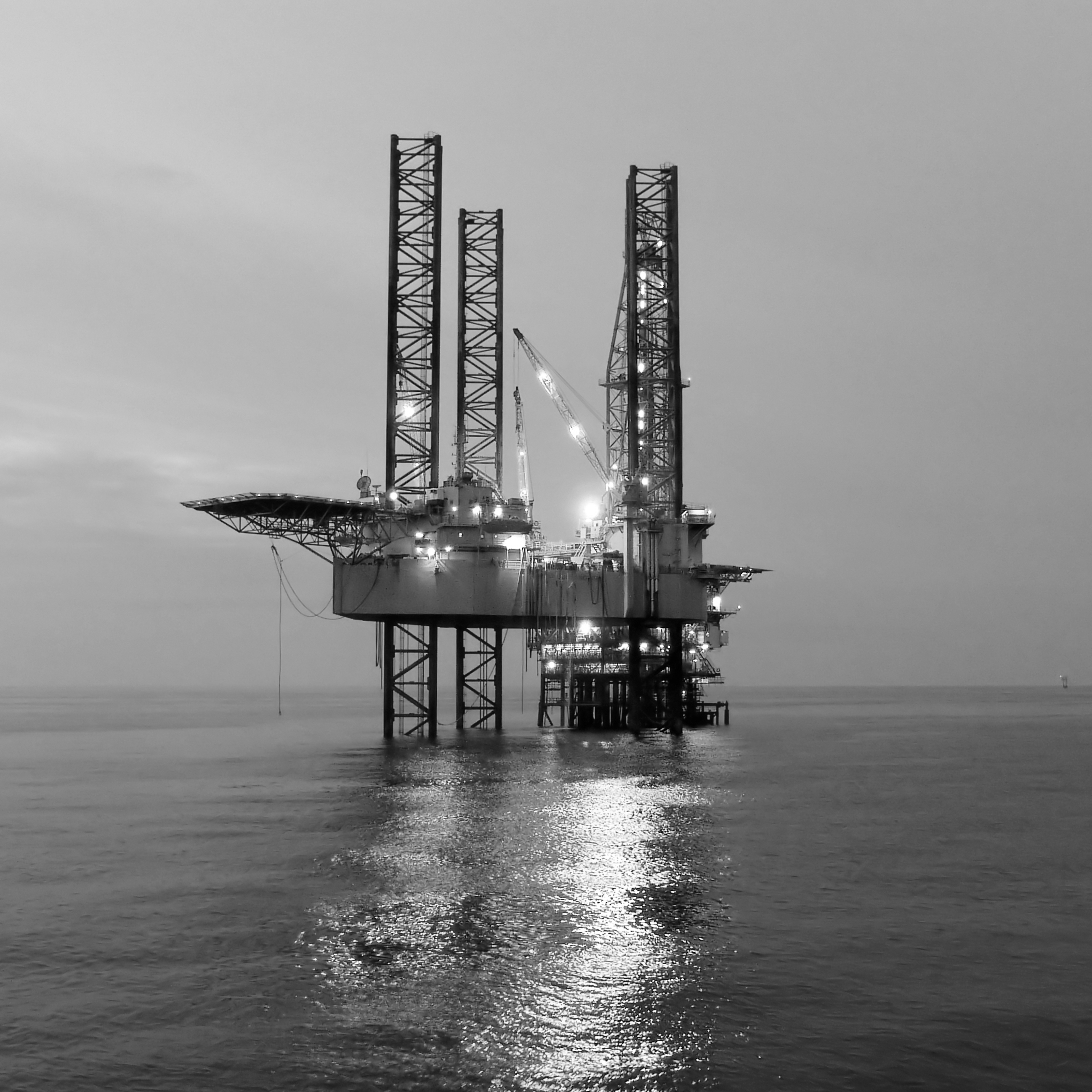
Marine & offshore operations are governed by strict technical and operational constraints to ensure safe, reliable, and continuous performance in isolated and harsh environments exposed to extreme weather, corrosion, and limited accessibility. System failure in these contexts can have critical safety and environmental consequences, making robustness a fundamental design requirement.
International maritime and offshore standards impose strict requirements on equipment design, installation, and operational safety, requiring certified and highly reliable technologies capable of operating under demanding mechanical and environmental stress conditions.
Regulatory compliance

Functional safety
Explosion protection
Signal integrity
Redundancy concept
The Oil & Gas industry spans exploration, extraction, transportation, refining, and distribution of hydrocarbons, operating across onshore and offshore environments under high-pressure and potentially explosive conditions. These processes rely on continuous and highly coordinated operations, where precise control of flow, pressure, and process conditions is essential to ensure safe and efficient production. Within this context, safety and process integrity are critical. Many applications involve flammable gases and liquids under extreme operating conditions, making reliable protection and control systems essential to prevent incidents and ensure stable operation in accordance with international standards and hazardous area requirements.
Typical application areas include:
These applications increasingly rely on advanced monitoring and control infrastructures, enabling real-time visibility, predictive maintenance, and remote operation across complex industrial assets. This level of integration increases system complexity and reinforces the need for robust, reliable, and certified safety components. In this environment, technologies such as intrinsic safety, functional safety systems, and galvanic isolation play a key role in ensuring operational continuity, reducing risk, and maintaining compliance in critical Oil & Gas processes
Industrial environments with hazardous processes are governed by strict international standards to ensure safety, reliability, and controlled operation across the entire lifecycle of a plant. Compliance is not optional in the chemical industry — it defines how systems are designed, validated, and operated.
Key standards and certification frameworks include:
GMI manufactures products for a wide range of applications and processes that include emergency stops, fire and gas leak detection, automation systems, dosage control, and resource management.
In these scenarios, G.M. International offers fail-safe devices for reliable operation, certified by third-party bodies to specific standards.
G.M. International offers certified products to protect resources, facilities, and infrastructure in hazardous areas of oil and gas applications. To maintain suitable safety standards, G.M. International intrinsically safe devices ensure high levels of reliability, as well as resistance to heat, cold, humidity and vibration, minimizing maintenance requirements.
G.M. International products, especially those with ATEX certification, are also designed for the food industry, providing intrinsically safe solutions in areas with explosion hazards due to the presence of both gas and conductive dust.
G.M. International barriers and interfaces, already present in conventional and renewable power generation systems, are useful in protecting electrolysers, fuel cells, drives, presses, handling systems, and control, regulation, and measurement systems throughout the hydrogen chain.
G.M. International solutions for the energy chain, renewables and electrical measurement include safety, signal, and fieldbus interfaces (e.g., Hart, Modbus). This set of solutions is perfectly suited for automation systems for substations, switchboards, and power plants, reducing start-up, operation, and maintenance costs.
G.M. International intrinsically safe devices and signal interfaces help to create a protected working environment for data collection and analysis. G.M. International remote terminals can also be deployed in the hazardous area, allowing direct interfacing with the process.
G.M. International offers certified products that are resistant to thermal and mechanical shocks and extreme natural events (earthquakes, floods, etc.). Our isolation devices simulate real operating conditions, support maintenance activities, and meet the most stringent environmental and safety requirements.
Our safety devices are ATEX and EN IEC 61508 functional safety requirements compliant and provide a safe solution to customers in the Pharma industry for every type of implementation.